OEM vs ODM Clothing Manufacturing: What’s the Difference? A Concise Guide for Fashion Brands
Introduction
Choosing the right manufacturing model is critical for any fashion brand. This guide clarifies the core differences between Original Equipment Manufacturing (OEM) and Original Design Manufacturing (ODM) in the clothing industry, helping you decide which approach best fits your brand’s vision, resources, and market strategy.
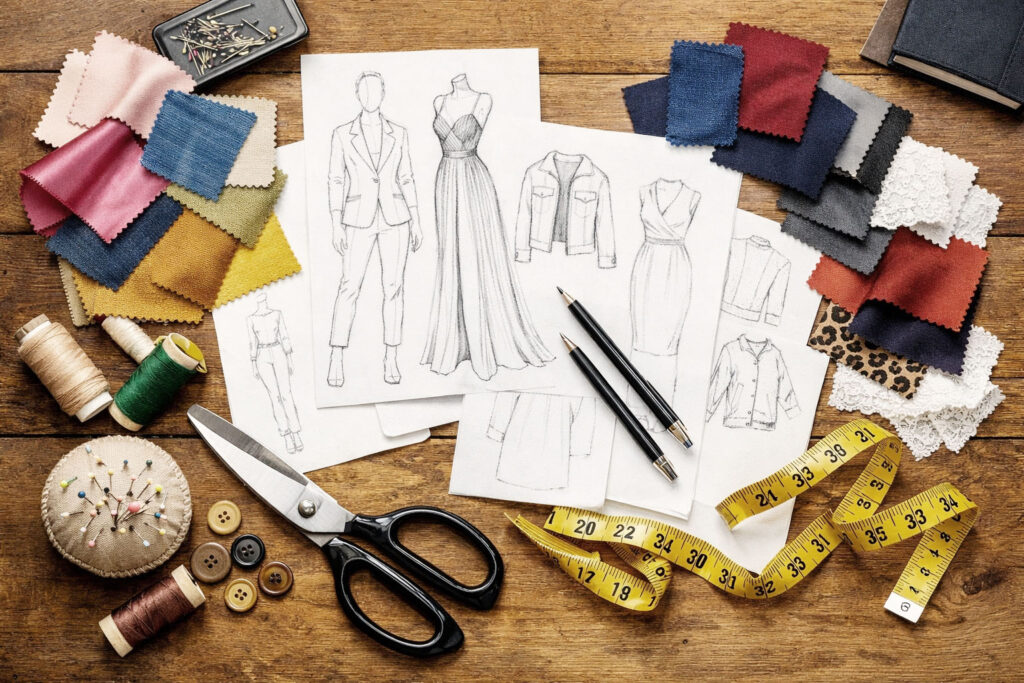
What is OEM (Original Equipment Manufacturing)?
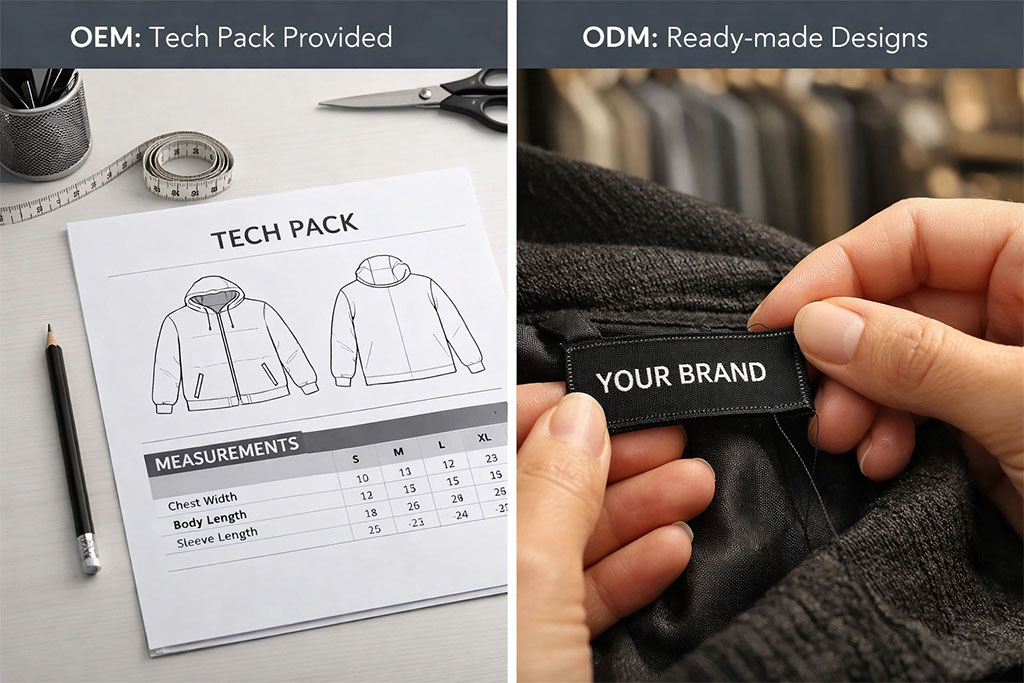
OEM involves a brand providing detailed Tech Packs (designs, material specs, measurements, construction details) to a manufacturer, who then produces garments exactly to these instructions. The brand owns the design and intellectual property; the manufacturer is purely a production facility. This model suits brands with strong in-house design capabilities and a clear, unique vision.
Key Characteristics of OEM:
• Design Ownership: Brand retains full intellectual property.
• Customization: High degree of customization possible.
• Brand Identity: Creates unique products aligned with brand aesthetic.
• Process: Brand provides tech packs; manufacturer executes production.
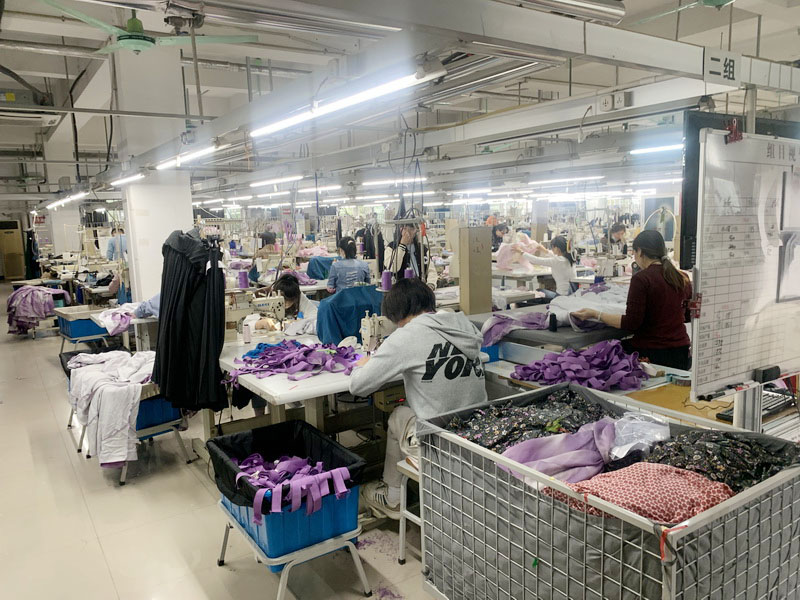
What is ODM (Original Design Manufacturing)?
ODM involves a manufacturer designing and developing products, which other companies then brand and sell. ODM manufacturers offer pre-designed styles; brands select from these, make minor modifications (e.g., logo, color), and brand them as their own. This model benefits new brands, those with limited design resources, or brands seeking faster production and lower upfront costs.
Key Characteristics of ODM:
•Design Ownership: Manufacturer owns original design and IP.
•Speed & Efficiency: Faster time-to-market with existing designs.
•Lower Development Costs: Reduced upfront investment in design.
•Process: Brand selects from manufacturer’s catalog, applies branding; manufacturer handles production.
OEM vs ODM: Key Differences
| Feature | OEM (Original Equipment Manufacturing) | ODM (Original Design Manufacturing) |
| Design Ownership | Brand owns design and IP | Manufacturer owns original design and IP |
| Design Input | Brand provides all designs, specs (Tech Packs) | Brand selects from manufacturer’s existing designs |
| Customization | High degree of customization | Limited customization (logo, color, material variations) |
| Development Cost | Higher upfront investment | Lower upfront investment |
| Time-to-Market | Longer lead times | Shorter lead times |
| Control | Full control over product design and quality | Less control over core design; focus on branding |
| Suitability | Brands with strong design teams, unique vision, and resources | New brands, limited design capabilities, seeking speed/efficiency |
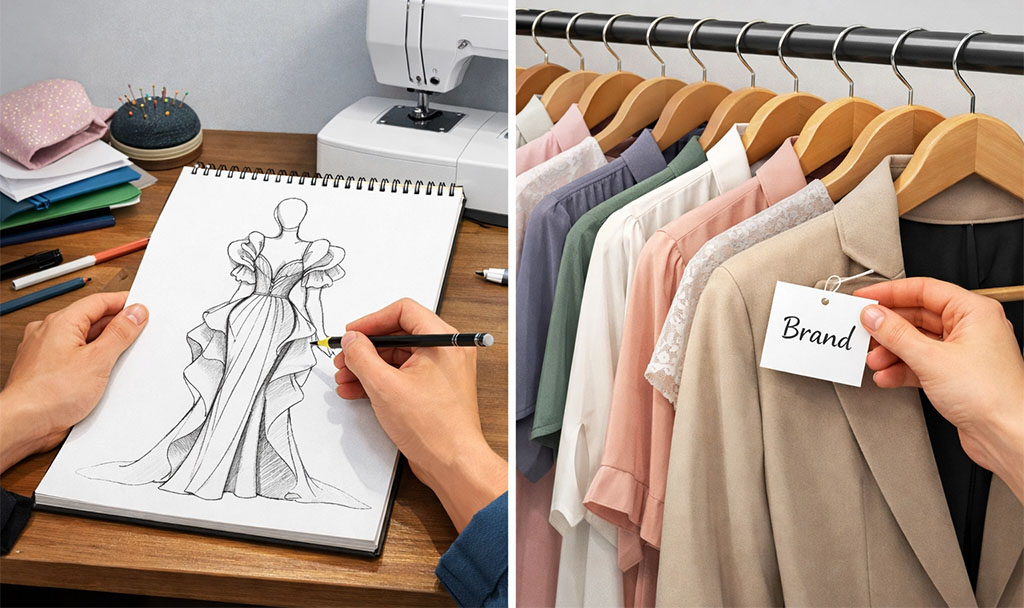
Pros and Cons of OEM Clothing Manufacturing
Pros of OEM
• Unique Product Identity: Create distinctive products that stand out.
• Full Design Control: Complete control over every design detail.
• Intellectual Property Protection: Brand owns the design.
• Higher Quality Control Potential: Enforce stringent quality standards.
Cons of OEM
• Higher Upfront Costs: Significant investment in design and development.
• Longer Lead Times: Extended production timelines.
• Greater Responsibility: Brand responsible for design flaws and sourcing.
• Requires Expertise: Demands skilled in-house design team.
Pros and Cons of ODM Clothing Manufacturing
Pros of ODM
• Faster Time-to-Market: Quick product launches using existing designs.
• Lower Development Costs: Savings on design, pattern making, and sampling.
• Reduced Risk: Manufacturer’s designs are often proven.
• Access to Manufacturer Expertise: Leverage manufacturer’s design and production knowledge.
Cons of ODM
• Limited Customization: Less control over core design, potential for similar products.
• Less Unique Product Offering: Challenging to create distinctive brand identity.
• Potential for Brand Dilution: Risk of similarity with competitors.
• Reliance on Manufacturer’s Design: Dependent on manufacturer’s design vision.
Choosing the Right Model for Your Brand
Your choice depends on your brand’s needs, resources, and goals:
• Choose OEM if: You have a unique design vision, an experienced team, sufficient budget, and prioritize full control and intellectual property. Ideal for bespoke collections.
• Choose ODM if: You are a new brand, have limited design resources, need quick launches, or operate on a tighter budget. Excellent for market testing or efficient product line expansion.
Many brands use a hybrid approach, combining ODM for staples with OEM for signature collections, balancing cost-effectiveness and speed with creative control.
Conclusion
Both OEM and ODM are vital in fashion manufacturing. OEM offers creative control and uniqueness but requires more investment. ODM provides speed and efficiency with lower entry barriers but less design customization. By evaluating your brand’s objectives, you can choose the best model—or a combination—to drive your fashion business forward and shape its identity in the competitive apparel market.
No responses yet